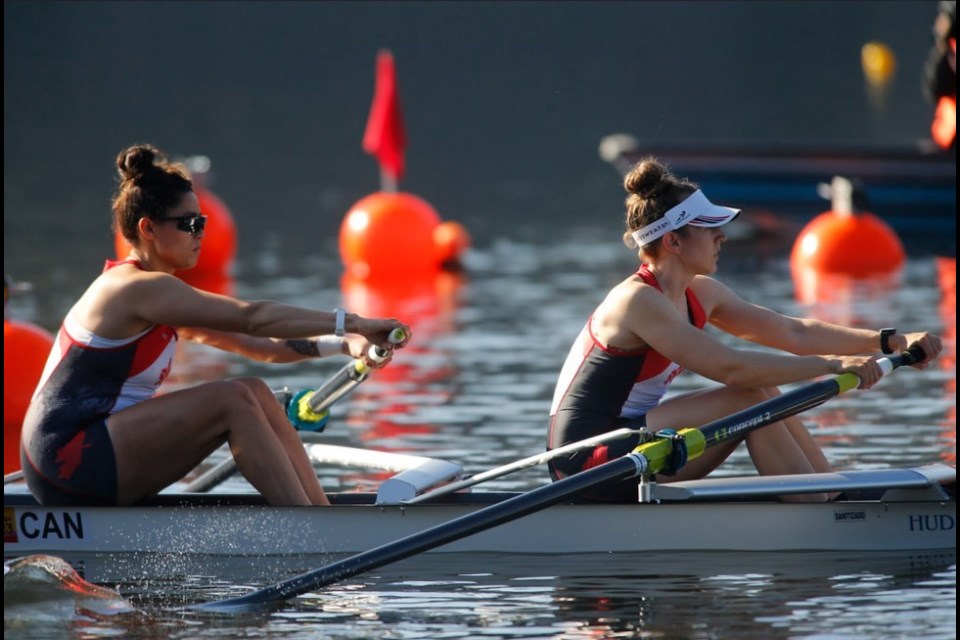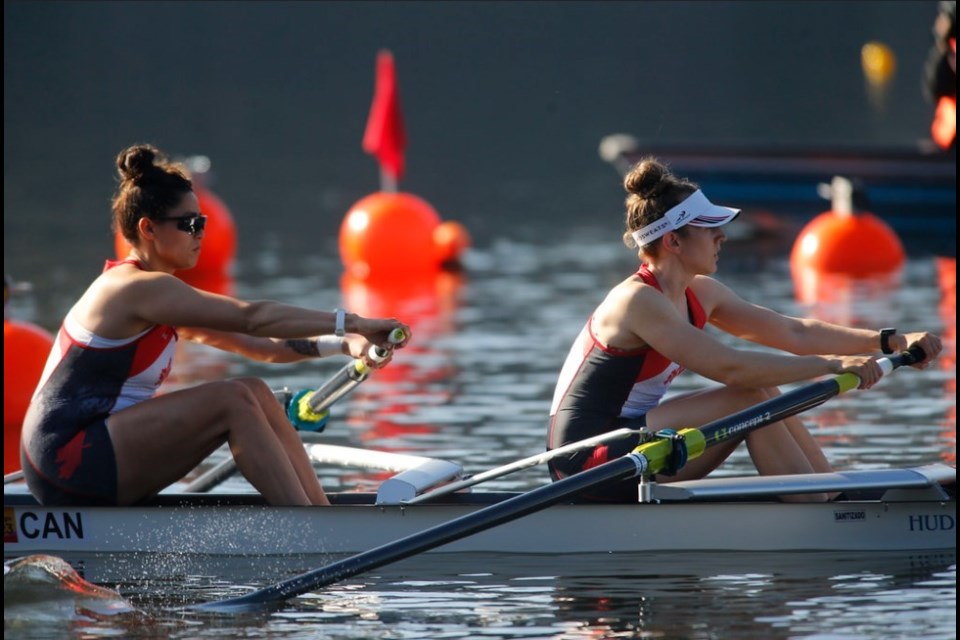
The Challenges American Rowers Face When Racing on Canadian Courses Rowing is often considered one of the world’s most universal sports. Whether a regatta takes place in the United States, Canada, Europe, or Australia, the fundamentals remain the same: athletes work together to propel their boat across the water as quickly and efficiently as possible. However, experienced competitors know that every racecourse has its own personality. Water conditions, weather, logistics, and even race-day traditions can vary significantly from one venue to another. For American rowing teams, traveling to compete on Canadian courses presents both exciting opportunities and unique challenges. While the competition between the two countries is often friendly and respectful, racing in a different environment requires athletes to adapt both physically and mentally. Understanding these differences can help crews prepare more effectively and perform at their best.
Crossing More Than Just a Border
For many American teams, attending a Canadian regatta begins with additional planning long before race day. Unlike domestic competitions, international travel requires passports or other approved travel documents, border crossings, and additional coordination with parents, schools, and coaching staffs. Even a smooth border crossing adds time to the trip. Teams often need to arrive earlier than they would for a domestic event to account for traffic at customs and potential delays. Coaches must ensure that every athlete has the proper identification, and equipment trailers may require additional inspection depending on the circumstances. Although these steps are usually routine, they introduce another layer of preparation that American teams may not encounter during races held within the United States.
Learning New Water Conditions
Every rowing venue develops its own character over time. Canadian racecourses are no exception. Many Canadian regattas are held on beautiful natural lakes or protected waterways that can produce conditions different from those found on an athlete’s home course. Wind direction, water depth, shoreline features, and current patterns can all influence how a boat feels during a race. Even experienced crews sometimes need several practice sessions before they become comfortable with unfamiliar water. A course that appears calm from shore may have subtle crosswinds or changing currents that require slight adjustments in technique. Elite crews learn to recognize these differences quickly. Rather than fighting the conditions, they adapt to them by maintaining clean technique and staying composed throughout the race.
Weather Can Change Quickly
One challenge many traveling teams notice is how quickly weather conditions can change. Morning races may begin under calm skies only for afternoon winds to create rougher water. Cooler temperatures near large bodies of water can also influence warm-up routines and clothing choices. Successful crews prepare for a wide range of conditions. Coaches often encourage athletes to bring multiple layers of clothing, rain gear, extra socks, and dry uniforms so they remain comfortable throughout a long day of racing. The teams that adjust quickly instead of complaining about the weather often gain a competitive advantage.
Facing Unfamiliar Competition
One of the greatest benefits of racing internationally is the opportunity to compete against crews that athletes do not regularly encounter. American rowers traveling to Canada often race clubs and schools with different coaching philosophies, training styles, and racing strategies. This variety can be both exciting and challenging. Some crews start aggressively, while others rely on powerful finishing sprints. Learning how to respond to unfamiliar racing tactics requires confidence and flexibility. These experiences ultimately make athletes stronger competitors because they learn to adapt instead of relying on familiar opponents. ## Communication and Race-Day Procedures Although the United States and Canada share many similarities, individual regattas may have slightly different organizational procedures. Boat launching schedules, marshalling areas, traffic patterns, and warm-up rules can vary from venue to venue. Listening carefully during coaches’ meetings and reviewing regatta information ahead of time helps prevent unnecessary stress. Experienced teams understand that preparation extends beyond physical training. Knowing where to launch, where to store equipment, and when to report for races allows athletes to focus their attention on performance rather than logistics.
Mental Adaptation Matters Perhaps the biggest challenge is simply competing outside of a familiar environment. Athletes often perform their best when routines remain consistent. Traveling to another country can disrupt those routines through earlier departures, unfamiliar surroundings, different accommodations, or longer travel days. Successful rowers develop mental flexibility. They learn to focus on the factors they can control: their preparation, technique, teamwork, and attitude. Instead of viewing the new environment as a disadvantage, they treat it as an opportunity to gain valuable experience. ## Building International Friendships One of the greatest rewards of competing in Canada has little to do with race results. Rowing has always been known for its sportsmanship. Athletes from different clubs frequently congratulate one another after races, exchange stories, and develop friendships that continue long after competition ends. American rowers often discover that despite living in different countries, they share many of the same experiences: early morning practices, difficult workouts, balancing academics with athletics, and striving for personal improvement. These connections remind athletes that rowing is a global community built on mutual respect. ## Learning From Different Programs Travel also exposes athletes and coaches to new ideas. Watching how Canadian clubs organize practices, launch boats, prepare equipment, and support younger athletes can inspire improvements back home. Coaches often return with fresh perspectives on training methods, team culture, and athlete development. Likewise, Canadian programs benefit from interacting with American crews, creating an exchange of ideas that strengthens rowing throughout North America. Competition encourages innovation, and every regatta provides opportunities to learn. ## Representing Your Team and Country Traveling internationally also carries a sense of responsibility. Whether athletes realize it or not, they represent not only their rowing club but also their school, community, and country. Good sportsmanship, respect for volunteers, and appreciation for event organizers leave lasting impressions. Simple actions such as thanking officials, helping another crew launch a boat, or congratulating competitors demonstrate the values that make rowing unique. Winning races is important, but representing one’s team with integrity is equally meaningful.
Turning Challenges Into Growth
Every challenge American rowers face on Canadian courses can become an opportunity for growth. Travel teaches independence. New water teaches adaptability. Different competitors teach strategic flexibility. Changing weather teaches resilience. International friendships teach respect. These lessons remain valuable long after medals are awarded. Athletes who regularly compete outside their comfort zones often become more confident because they learn they can succeed in unfamiliar situations.
Conclusion
Racing on Canadian courses presents American rowers with challenges that extend beyond the starting line. International travel, unfamiliar water conditions, changing weather, new competitors, and different race-day routines all require athletes to adapt. Yet these same challenges are what make the experience so rewarding. Every trip offers opportunities to improve not only as rowers but also as teammates, travelers, and ambassadors for their programs. In the end, the goal of rowing has never been simply to win races. It is to become stronger through shared effort, disciplined preparation, and continuous learning. Competing on Canadian courses embodies that spirit by encouraging American crews to embrace new experiences, respect their competitors, and discover that some of the most valuable victories occur long before the finish line. ::: If you’re publishing this on a rowing website, this topic also pairs well with a cover image of an American crew racing on a Canadian course with both countries’ flags visible at the venue, emphasizing the international competition and camaraderie.