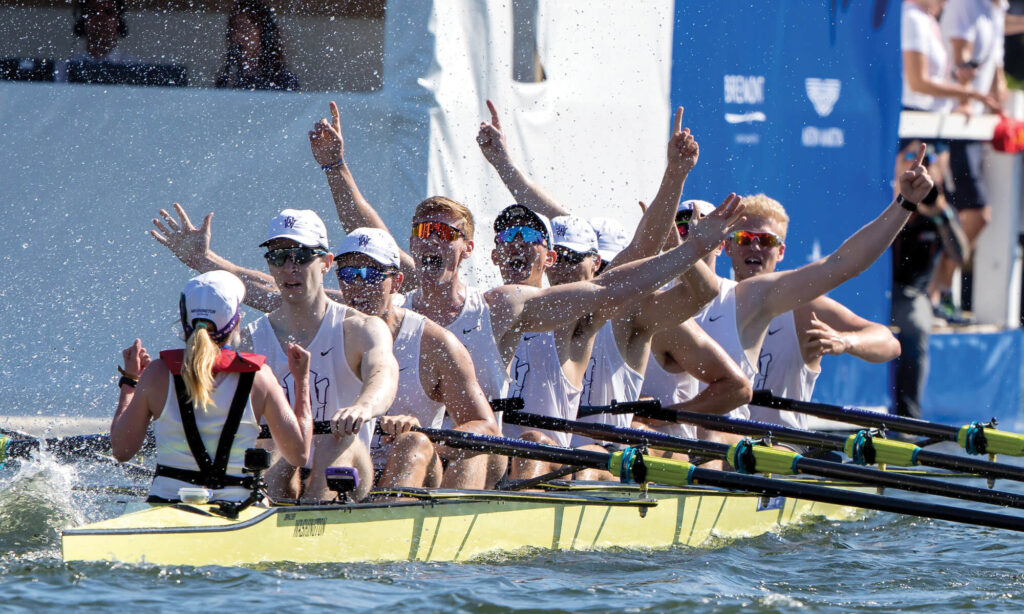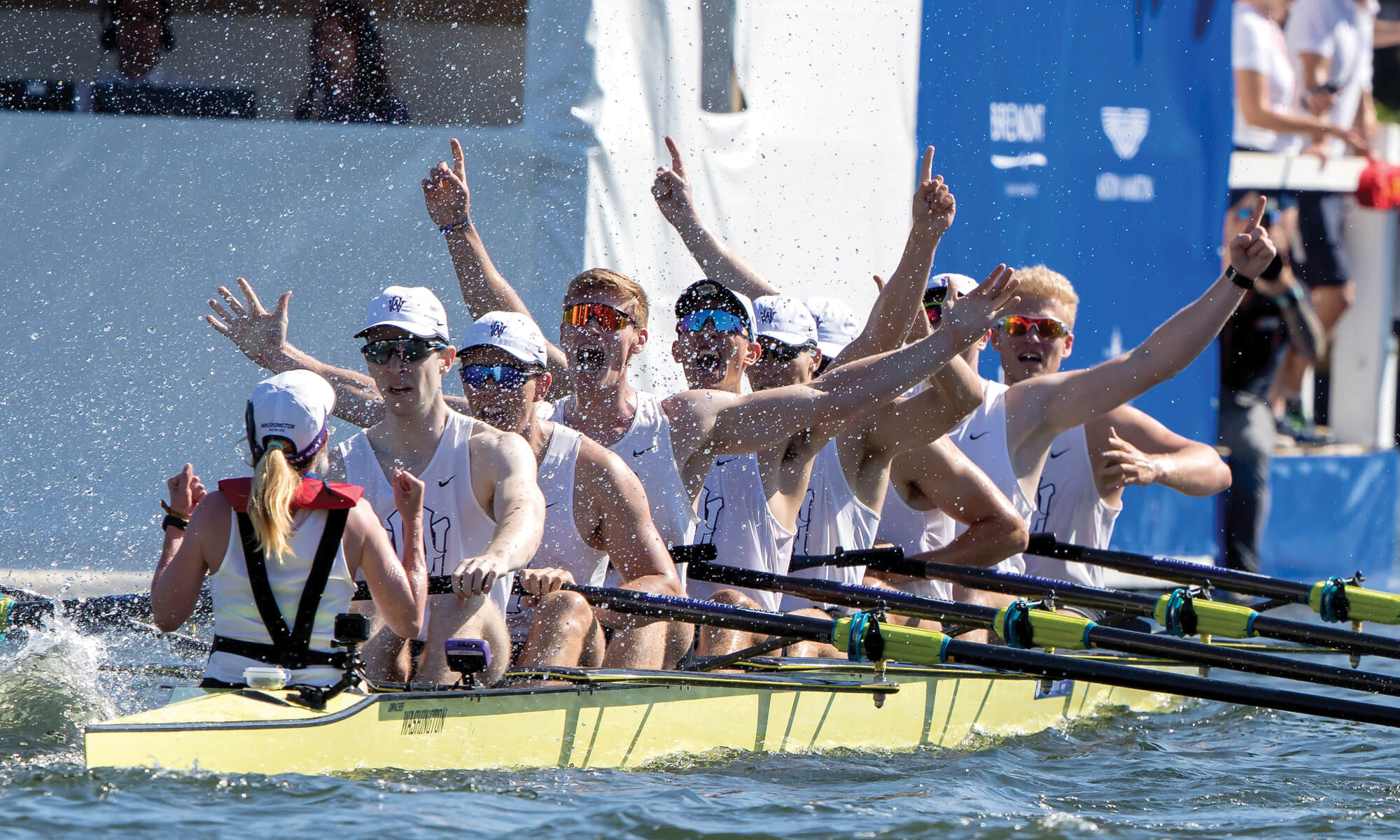
Rowing has long been associated with academic excellence. For centuries, universities have embraced the sport not only because it develops physical fitness, but also because it reinforces qualities that contribute to success in the classroom and beyond. Discipline, perseverance, teamwork, and time management are all essential for competitive rowing, and they are equally valuable in scholarly pursuits.
Although only a small percentage of scholars become elite rowers, and only a small percentage of elite rowers become renowned scholars, history provides many examples of individuals who demonstrated excellence in both intellectual and athletic pursuits. Their achievements show that rowing and scholarship are not opposing goals but complementary ones.
The Tradition of Scholar-Athletes
Some of the world’s oldest universities have maintained rowing traditions for more than a century. Institutions such as Oxford, Cambridge, Harvard, Yale, Princeton, and many others have produced graduates who went on to become scientists, judges, physicians, entrepreneurs, educators, and public servants.
Rowing demands early morning practices, careful planning, and unwavering commitment. Student-athletes quickly learn that academic deadlines do not disappear because of training sessions or regattas. Instead, they develop habits that often make them more productive than their peers.
Research has consistently shown that participation in organized athletics can strengthen skills such as goal setting, resilience, leadership, and collaboration. These same qualities contribute significantly to academic success.
Sir Steve Redgrave
Although Sir Steve Redgrave is best known as one of the greatest Olympic rowers in history rather than as an academic scholar, his lifelong commitment to learning about training, physiology, and coaching has made him an influential educator within the rowing community.
Winning Olympic gold medals across five consecutive Games required far more than physical talent. Redgrave became a student of the sport, continually refining technique, nutrition, recovery, and preparation. His willingness to study every aspect of performance helped redefine elite rowing and inspired countless athletes and coaches.
His example reminds students that scholarship extends beyond earning degrees. Continuous learning remains essential throughout a successful career.
Dr. Benjamin Spock
One of the best-known examples of an accomplished scholar with a rowing background is Dr. Benjamin Spock. Before becoming one of the most influential pediatricians of the twentieth century, Spock attended Yale University, where he rowed competitively.
His experiences as a collegiate athlete taught discipline and perseverance that complemented the demanding education required to become a physician. Spock later authored groundbreaking books on child care that shaped parenting practices around the world.
His rowing career demonstrates that athletic dedication can exist alongside significant academic achievement.
Sir Matthew Pinsent
Sir Matthew Pinsent earned recognition as one of Britain’s most successful Olympic rowers while also emphasizing education throughout his career. Although celebrated primarily for his athletic accomplishments, Pinsent has consistently promoted intellectual curiosity, thoughtful leadership, and lifelong learning.
Following retirement from competition, he became an accomplished broadcaster and writer, demonstrating that skills developed through rowing can translate into many professional fields.
Ernest Shackleton
Although Ernest Shackleton is remembered primarily as an Antarctic explorer rather than a competitive rower, his education and extensive experience handling small boats under extreme conditions illustrate many of the same qualities celebrated within rowing.
His remarkable leadership during the Endurance expedition remains a classic case study in resilience, decision-making, and teamwork. Universities frequently examine Shackleton’s leadership principles in business, management, and organizational psychology courses.
While not famous because of racing shells, his ability to lead crews across dangerous waters reflects values deeply respected throughout rowing culture.
Academic Excellence in University Rowing
Perhaps the greatest collection of rowing scholars has never become internationally famous. Every year, universities produce thousands of student-athletes who balance demanding coursework with rigorous training schedules.
Engineering students analyze fluid mechanics during the day before practicing on the water in the evening. Medical students train before sunrise and spend the remainder of the day attending lectures and clinical rotations. Law students compete in regattas while preparing for examinations. Graduate researchers continue rowing while conducting experiments that advance science and technology.
Their names may never appear in history books, but they represent the true spirit of scholar-athletes.
Why Rowing Encourages Academic Success
Several characteristics of rowing naturally support scholarly achievement.
First, rowing requires exceptional time management. Practices often begin before sunrise, leaving athletes responsible for organizing every remaining hour of the day. Successful rowers quickly learn how to prioritize assignments and avoid procrastination.
Second, rowing emphasizes consistency rather than shortcuts. Improvements occur gradually through repeated effort over months and years. Academic success follows a remarkably similar pattern.
Third, rowing develops resilience. Even elite crews lose races. Learning to analyze mistakes, adjust training, and improve performance prepares students for setbacks they inevitably encounter in research, examinations, and professional careers.
Finally, rowing depends entirely on teamwork. Scientists, physicians, engineers, and business leaders rarely succeed alone. The collaborative mindset developed within a rowing shell transfers naturally into professional environments.
Modern Scholar-Athletes
Today’s collegiate rowers continue the tradition established generations ago. Many compete while studying demanding subjects such as engineering, physics, computer science, economics, biology, chemistry, and medicine.
Universities increasingly recognize that athletic participation can complement academic achievement rather than compete with it. Support services, tutoring programs, and flexible scheduling help student-athletes maintain high academic standards while pursuing competitive success.
Many former collegiate rowers eventually become professors, physicians, attorneys, engineers, entrepreneurs, military officers, and researchers. Although rowing may no longer define their careers, the habits developed during years of training often remain valuable throughout their lives.
Lessons for Every Student
The stories of famous rowing scholars—and the countless less-famous student-athletes who quietly excel in classrooms every day—offer valuable lessons for anyone pursuing education.
Success rarely depends on extraordinary talent alone. Instead, it grows from discipline, preparation, persistence, and the willingness to improve steadily over time. These principles apply equally to solving mathematical equations, conducting laboratory experiments, writing research papers, or competing in championship regattas.
Students who learn to balance athletics with academics frequently discover that each pursuit strengthens the other. Physical exercise improves concentration, structured schedules encourage productivity, and teamwork enhances communication skills.
Most importantly, rowing teaches humility. Every stroke offers an opportunity to improve, and every race provides lessons regardless of the outcome. Scholars benefit from the same mindset, recognizing that learning is a continuous process rather than a destination.
A Lasting Legacy
The connection between rowing and scholarship has endured for generations because both pursuits reward many of the same qualities. Curiosity drives discovery in the classroom, while determination drives progress on the water. Excellence requires preparation, resilience, and the courage to embrace challenges.
From physicians like Dr. Benjamin Spock to Olympic champions who became educators and leaders, rowing has influenced individuals whose achievements extend far beyond the finish line. At universities around the world, today’s student-athletes continue building upon that tradition, proving that intellectual curiosity and athletic ambition can thrive together.
Whether someone rows for recreation, collegiate competition, or Olympic dreams, the lessons learned inside a racing shell often remain valuable for a lifetime. The strongest rowers are not always the fastest, and the smartest scholars are not always those with the highest grades. Rather, lasting success belongs to those who combine discipline, teamwork, curiosity, and perseverance—qualities that rowing has cultivated for centuries.